10x20 Trade Show Booth: Layouts, Costs, and Ideas
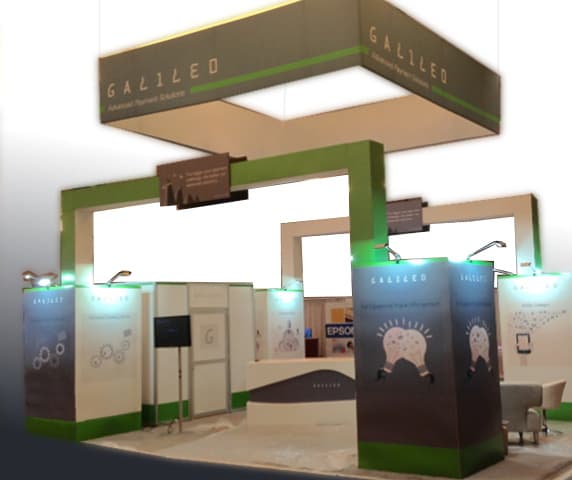
A 10x20 trade show booth is the natural step up from a 10x10, and most exhibitors make the move for one of two reasons: they have outgrown the single-wall booth, or the show floor simply reads a 10x20 as a more serious presence. The layout decisions you make early are what decide whether the space feels twice as big or just twice as long. Here are the four layouts that work, what each costs, and the mistakes that waste the extra ten feet.
Why upgrade from a 10x10
A 10x10 is a single backwall and a conversation. A 10x20 gives you room for a second zone — a demo area, a meeting nook, or product display — and, crucially, more than one approach angle from the aisle. For brands whose booth is a sales channel rather than a backdrop, that second zone is where the extra square footage pays for itself.
The four layouts that work
- Long backwall (two-wall inline). One continuous 20-foot wall behind your space, counter and demo furniture in front. Simple, cost-effective, and the safest upgrade. Best when your goal is a bigger, cleaner brand statement.
- Split backwall with a meeting nook. Break the 20-foot wall into two panels with a recessed seating or standing area between them. The recess creates a natural meeting zone and adds visual depth without more walls.
- Peninsula. A three-sided approach: one 20-foot wall plus a 10-foot return on one side. You get an open corner that reads well from two aisles, and a natural end for product or a podium.
- Two-zone split. A front demo or product zone and a rear meeting zone, separated by a low counter or hanging sign. Best when the booth has to do two jobs at once — attract traffic and hold a conversation.
Layout ideas that use the ten extra feet
- Hanging sign. At 10x20 the sightline from across the hall starts to matter; a hanging sign makes the booth findable before anyone reads your wall.
- Two counters, not one. One for greeting at the open corner, one for support or literature at the wall.
- A seated area. Even two stools and a small table convert a booth into a meeting space, which is the entire point of the upgrade.
- Backlit feature wall. A backlit or SEG display across part of the wall gives the booth a focal point and a premium read.
What a 10x20 costs
As a rough guide, a complete furnished 10x20 runs in the low five figures to own, less to rent for a single show. The display itself is often less than half the cost once freight, labor, power, and graphics are included — our trade show display cost guide lays out the ranges by type and size. If you are buying a system you will reconfigure across shows, a modular system that also builds a 10x10 is materially cheaper than owning two separate displays.
Common mistakes at 10x20
- Treating it as two 10x10s. Two disconnected walls read as smaller than one thought-through 20-foot booth.
- Leaving the open corner empty. The peninsula or open end is the highest-traffic part of the booth; do not waste it on storage.
- Skipping the sightline. Without a hanging sign, your booth is invisible from the far side of the hall.
- Under-lighting it. A 20-foot wall needs more light than a 10-foot one, and lighting is the cheapest high-leverage upgrade there is.
The Chicago angle
At the big venues, load-in and rigging are the practical constraints. A local fabricator stages the booth nearby, handles the show logistics, and can adjust or repair on site. If a 10x20 is your next step, tell us the show, the venue, and your goal for the booth, and we will spec a layout and a real all-in number — or start with a design. You can also rent a 10x20 for a first outing before committing to a build.